
QUIZ: Are You a Vanilla Know-It-All?

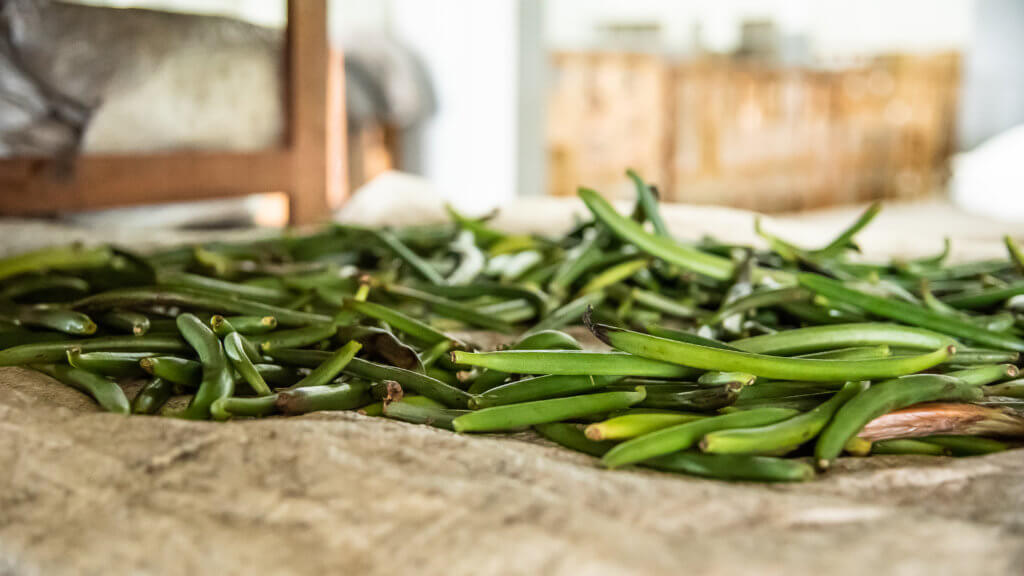
1. It takes 2-3 pounds of green, uncured vanilla beans to produce one pound of cured vanilla beans for baking and cooking.
Answer: Fiction
It takes approximately 5-7 pounds of green, uncured vanilla beans to produce just one pound of properly cured beans. A vanilla bean will shrink by about 20 percent of its original size during the labor-intensive curing process. This is one reason why vanilla is one of the most expensive flavors in the world.
2. Madagascar is the birthplace of vanilla.
Answer: Fiction
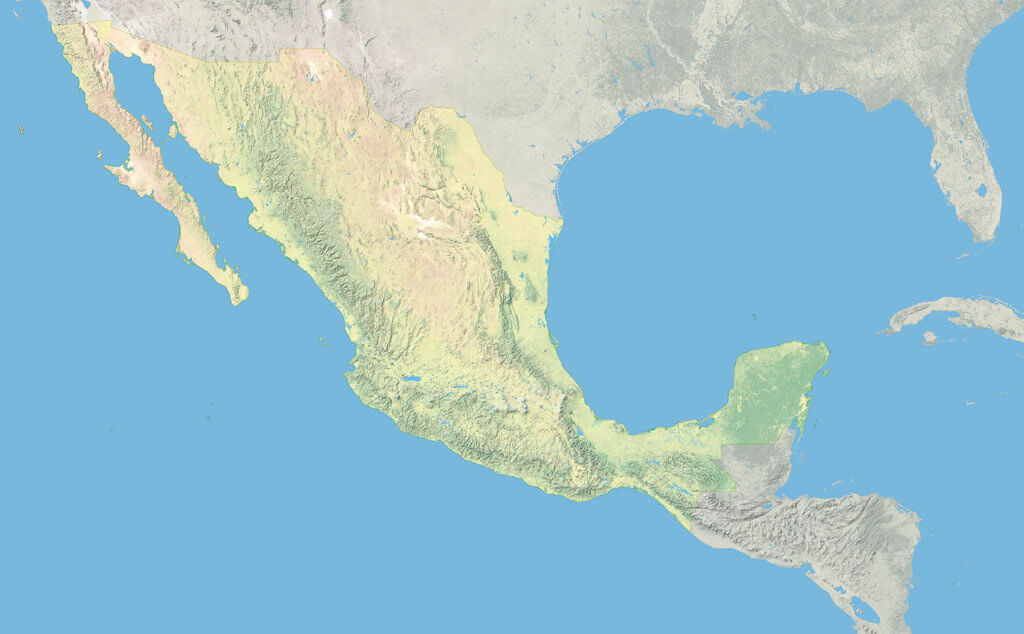
Mexico is the birthplace of vanilla. The Vanilla planifolia Andrews orchid has been cultivated in Mexico since the time of the Aztecs. In the nineteenth century a vanilla vine was smuggled from Mexico to Madagascar, and today the African country produces more than 80 percent of the world’s vanilla beans.
3. Vanilla grows best in warm and moist climates.
Answer: Fact
Vanilla grows best in areas located 10 to 20 degrees from the equator. Vanilla requires a warm, moist tropical climate with year-round temperatures of 75 to 85 degrees Fahrenheit.
4. The entire process from growing and pollinating vanilla beans to drying, curing, and preparing them for export can take up to a year.
Answer: Fact
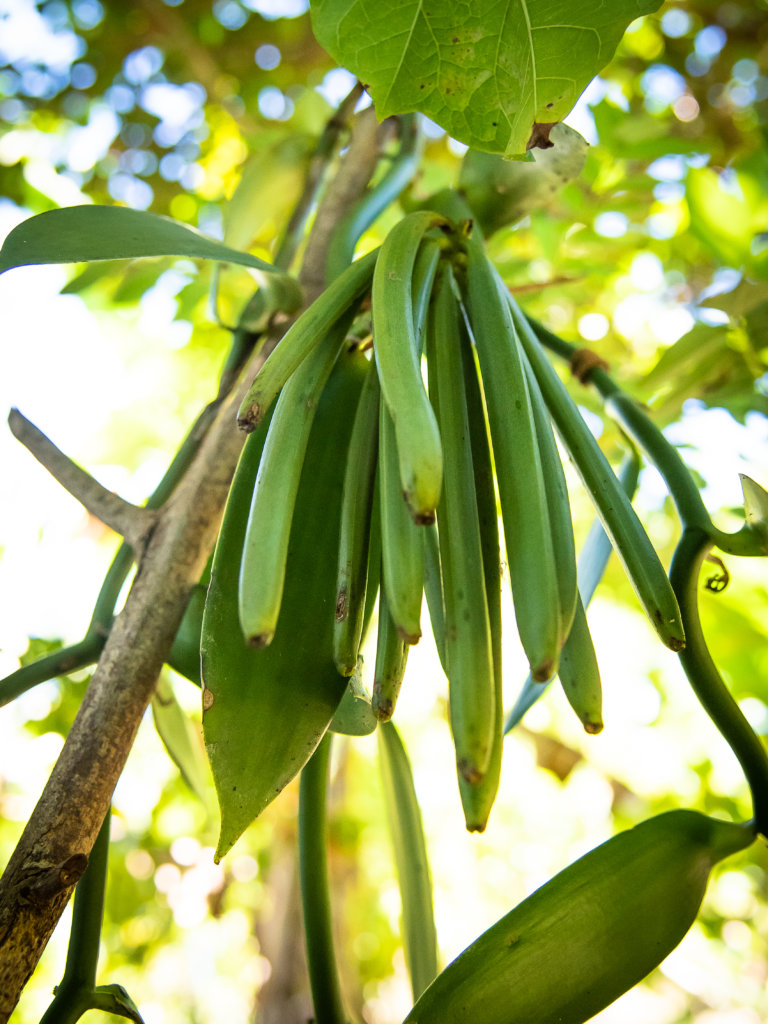
Processing vanilla from bean to extract is time consuming, as the beans are handled hundreds of times. It takes months to cure, wrap and dry the beans and weeks more to extract the flavoring from the pods.

5. All vanilla orchids must be pollinated by hand to grow vanilla beans.
Answer: Fact
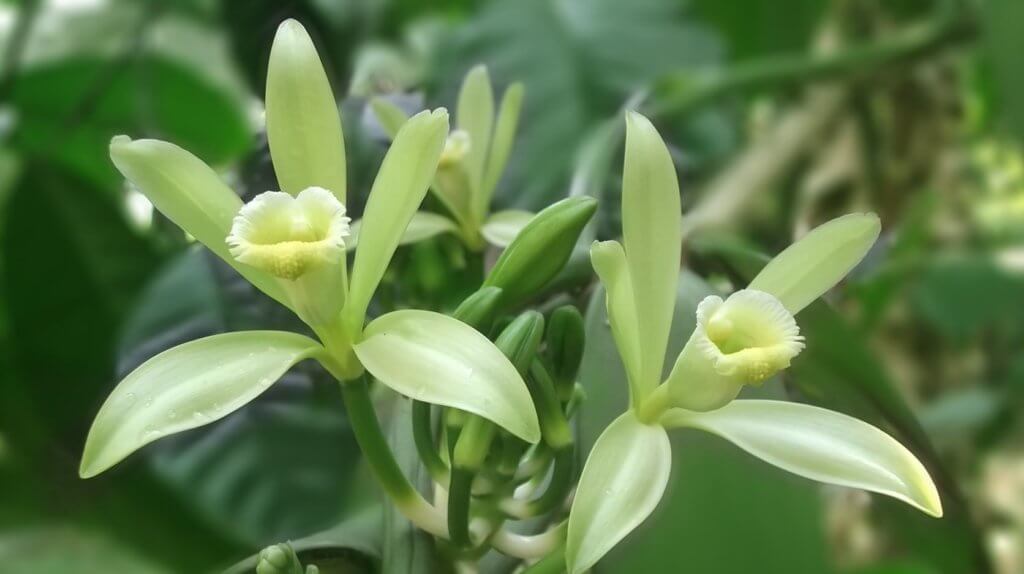
The Melipona bee was originally responsible for pollinating vanilla orchids in Mexico, but times have changed. Since 1841, farmers have used a bamboo toothpick-like stick with a small, pointy end to pollinate flowers by hand.
6. Vanilla is the most expensive ingredient in the world.
Answer: Fiction
Vanilla is second only to saffron as the most expensive ingredient in the world.

7. Vanilla can be used in baked goods, savory meals and beverages.
Answer: Fact
Vanilla can be an ingredient in appetizers, soups, salads, sides, entrées, sauces, beverages and desserts. It can be the star ingredient, providing a sweet, creamy flavor in any number of cooking and baking applications (not to mention cold and frozen desserts). Other times, vanilla plays a supporting role, complementing flavors and enhancing the overall nuances of the dish.
Did you learn something new? Tell us on Instagram! #BetterYourBake