Vanilla may be one of the smallest ingredients in a recipe, but it can make a big difference in the finished flavor. It adds warmth and depth to chocolate chip cookies, rounds out the sweetness of a vanilla cake, and brings together the flavors in everything from banana bread to brownies.
So, what is the best vanilla for baking? For most baked goods, pure vanilla extract is the go-to choice. It blends easily into batters and doughs and brings a classic, balanced vanilla flavor to cookies, cakes, muffins, brownies, quick breads, and pastries.
But extract isn’t the only vanilla worth keeping in your pantry. When vanilla is the star of the recipe—or when you want those beautiful specks of real vanilla bean—vanilla bean paste is an especially delicious choice for frostings, whipped cream, fillings, and other finishing touches.
Here’s how to choose the right vanilla for whatever you’re baking.
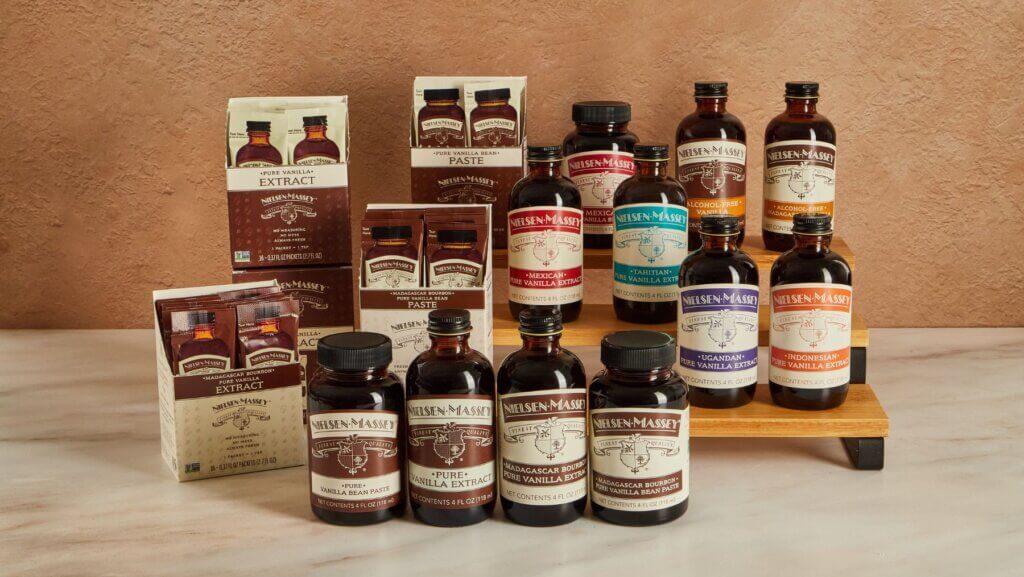
If you want one versatile vanilla to keep on hand for everyday baking, choose a high-quality pure vanilla extract.
Madagascar Bourbon Pure Vanilla Extract is particularly versatile, with a sweet, creamy flavor that complements everything from classic cookies and cakes to chocolate desserts and fruit-filled treats.
For recipes where vanilla is more prominent, vanilla bean paste is an excellent choice. Made with pure vanilla extract and real vanilla bean seeds, it delivers rich vanilla flavor along with the distinctive look of vanilla bean specks. Learn more about when to use paste versus extract here.
In most recipes, vanilla bean paste can be substituted for pure vanilla extract at a 1:1 ratio, making it an easy way to bring more vanilla flavor and beautiful vanilla bean specks to your favorite recipes.
Vanilla’s role in baking isn’t just to make something taste like vanilla. In many recipes, vanilla acts as a flavor enhancer, helping round out sweetness and bring the other ingredients into better balance. It pairs especially well with chocolate, coffee, nuts, fruit and warm spices.
That’s why you may find vanilla extract in recipes that don’t seem particularly “vanilla-forward.” A chocolate cake, for example, may contain vanilla even though chocolate is clearly the star. Vanilla acts like more of a supporting ingredient that helps the other flavors taste more complete. And when vanilla is the star, like in a simple vanilla cake, sugar cookie, or buttercream, the quality of the vanilla becomes even more noticeable.
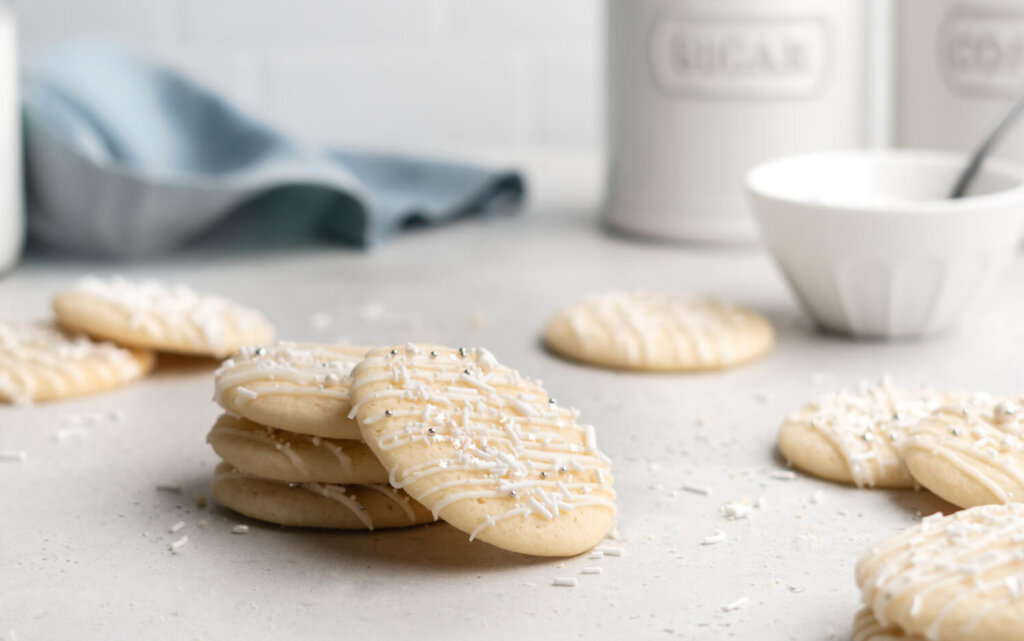
For most cookies, pure vanilla extract is an excellent choice. Classic sugar cookies, chocolate chip cookies, shortbread, snickerdoodles, and oatmeal cookies all benefit from vanilla’s warm, rounded flavor.
When you’re considering the different varieties of vanilla and which one to choose for your cookies, Madagascar Bourbon vanilla is a great option. It complements the butter, sugar, and chocolate that form the foundation of many classic recipes.
For cookies featuring cinnamon, warm spices, or caramel-like flavors, consider reaching for Mexican vanilla. Its distinctive, slightly spicy profile pairs beautifully with ingredients like cinnamon, nutmeg, brown sugar, and toasted nuts. Try it in snickerdoodles, Mexican hot chocolate cookies, cinnamon sugar cookies, or spiced oatmeal cookies.
And don’t be afraid to use vanilla in recipes with other bold flavors. Vanilla can help bring together ingredients like cinnamon, brown sugar, nuts and chocolate without necessarily making the finished cookie taste distinctly like vanilla.
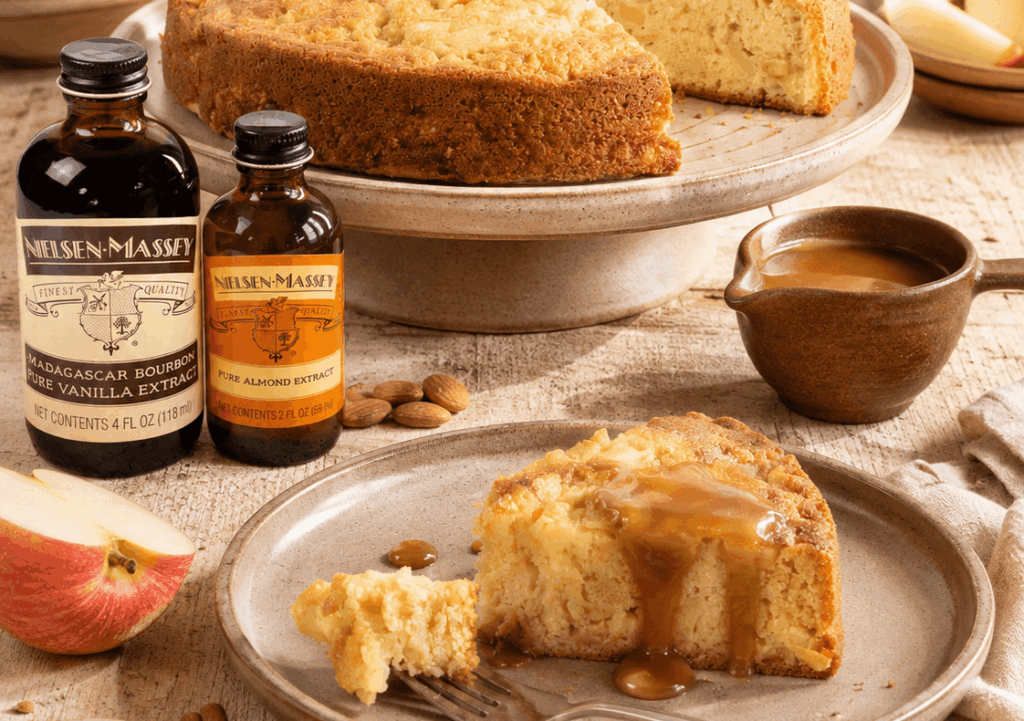
Pure vanilla extract is a baking staple for good reason. It works beautifully in yellow cakes, white cakes, pound cakes, spice cakes, and cupcakes. In a vanilla-forward cake, you’ll notice the difference between a flat vanilla flavor and one that is rich, aromatic, and complex.
For simple cakes where vanilla is one of the main flavors, choose a high-quality pure vanilla extract. If you’re making a vanilla cake with vanilla frosting, consider using vanilla bean paste in the frosting for an extra layer of vanilla flavor and those beautiful vanilla bean specks.
Recipe to try: French Apple Almond Butter Cake with Vanilla Caramel Sauce
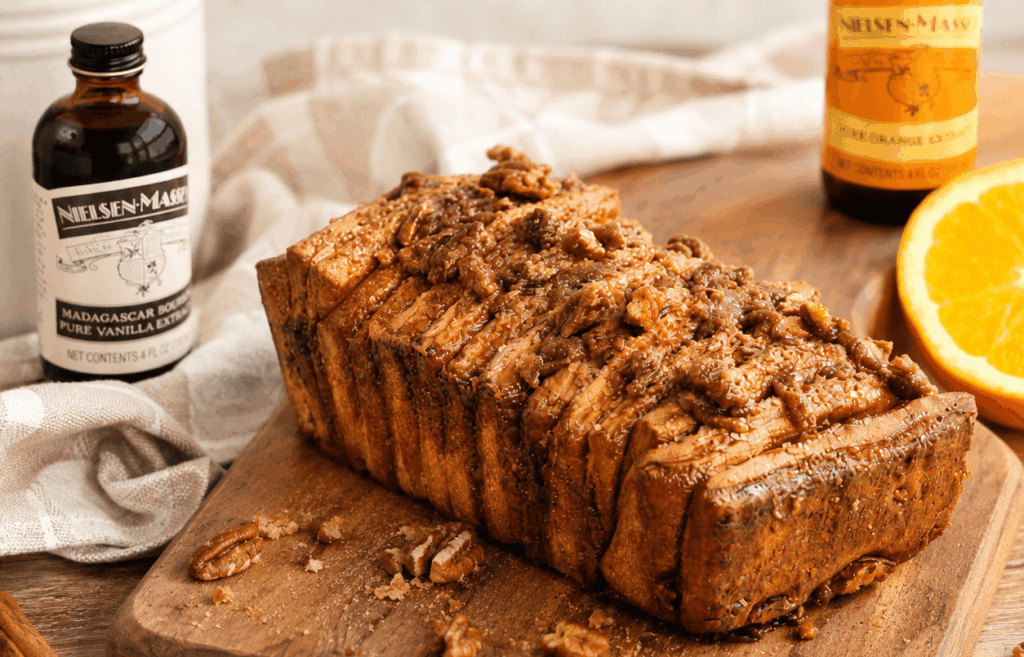
Vanilla extract is also ideal for muffins and quick breads—think banana bread, blueberry muffins, pumpkin bread, or chocolate chip muffins. In these recipes, vanilla helps tie together ingredients like fruit, warm spices, brown sugar, and chocolate. It may not be the flavor you notice first, but it can help the entire recipe taste more balanced and complete.
For fruit-forward or tropical muffins and quick breads, consider trying Tahitian vanilla. Known for its delicate, floral, and fruity character, Tahitian vanilla pairs especially well with ingredients like banana, coconut, pineapple, mango, and citrus. Try it in banana-coconut bread or pineapple upside-down cake.
Reach for Indonesian vanilla if you’re baking up something with stone fruits or dark chocolate—think cherry chocolate muffins or cinnamon raisin bread. Indonesian vanilla has a rich, robust flavor with earthy, woody notes that can complement ingredients with similarly deep or distinctive flavors.
Recipe to try: Cinnamon-Pecan Pull-Apart Bread
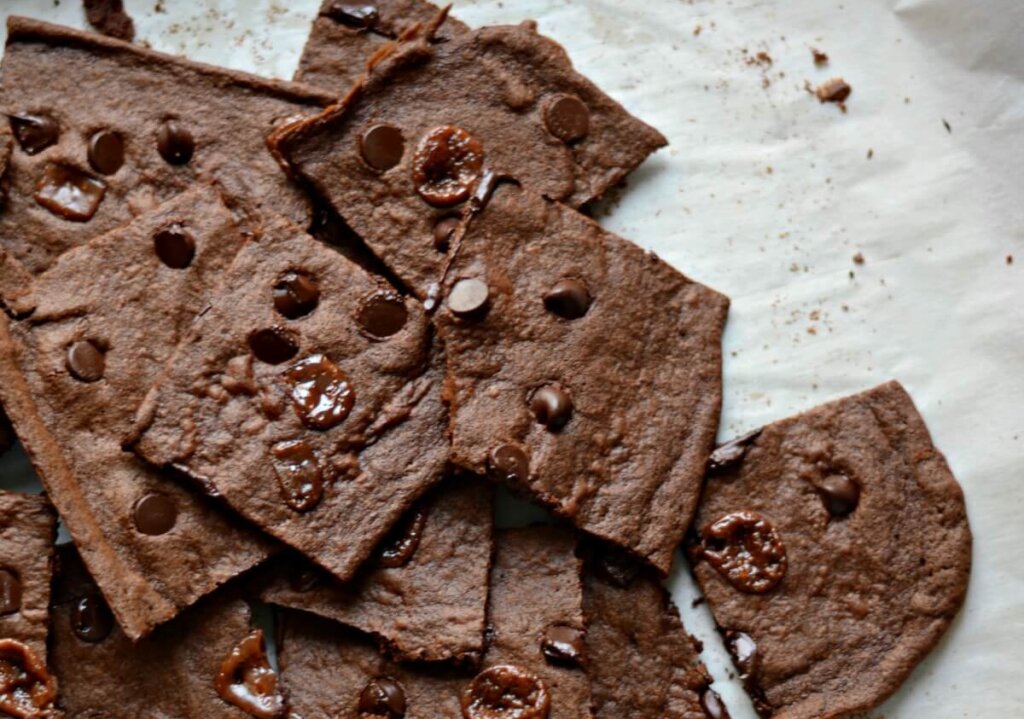
Chocolate and vanilla are a natural pairing. Vanilla can help round out and deepen chocolate flavor, which is why it’s a common ingredient in brownies, chocolate cakes, cookies, and other chocolate desserts.
For chocolate-heavy recipes, you may not notice vanilla as a distinct flavor. Vanilla’s role is often to support the chocolate rather than compete with it. If you taste a brownie and think, “Wow, that’s chocolatey,” vanilla may have helped get it there. Madagascar Bourbon vanilla can be a great choice for brownies to bring out the rich chocolate flavor.
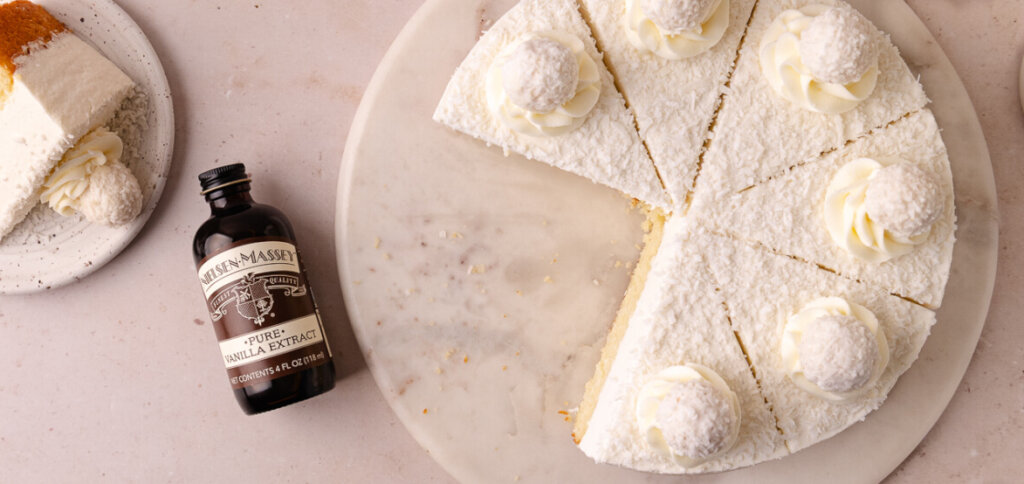
This is where vanilla bean paste really shines. Frostings and buttercreams don’t go through the same high-heat baking process as a cake or cookie, making them an ideal place to let vanilla’s flavor and appearance take center stage.
Vanilla bean paste contains real vanilla bean seeds, which create the distinctive little flecks you’ll see throughout the finished frosting. Its rich vanilla flavor pairs beautifully with butter, cream cheese, and sugar.
Try vanilla bean paste in vanilla buttercream, cream cheese frosting, whipped frosting, cake fillings, pastry cream, and dessert sauces. Vanilla bean paste can generally be substituted for pure vanilla extract at a 1:1 ratio, so there’s no need to reinvent your favorite frosting recipe. Simply swap in the same amount of paste.
For an especially vanilla-forward dessert, pair a baked component made with pure vanilla extract with a vanilla bean paste filling or topping.
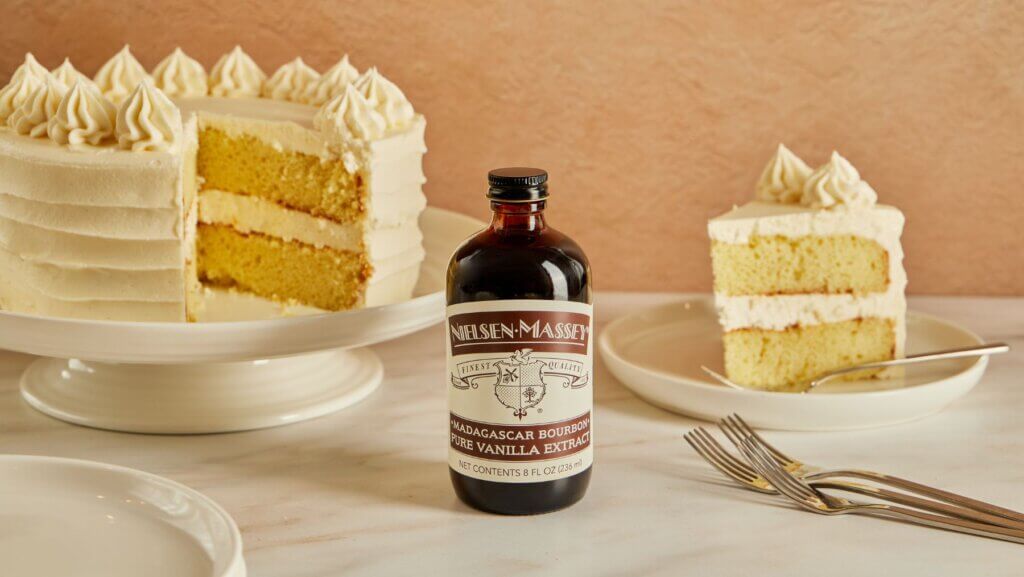
If you’ve ever stood in the baking aisle wondering whether you really need pure vanilla extract, you’re not alone. The biggest difference is how the vanilla flavor is made. Pure vanilla extract is made from real vanilla beans, while imitation vanilla primarily uses synthetic vanillin to create a vanilla flavor.
For the richest, most authentic and well-rounded flavor, pure vanilla extract is the better choice for baking. The difference is especially noticeable in delicate preparations where vanilla is prominent, such as whipped cream, frosting, custard, and simple vanilla desserts. While imitation vanilla can provide a familiar vanilla note, it doesn’t offer the same nuanced flavor as extract made from real vanilla beans. If you’re baking from scratch and want the best flavor for your desserts, pure vanilla extract is the clear choice for your pantry.
It can be tempting to think that if one teaspoon of vanilla is good, two teaspoons must be better. But baking is about balance, and adding more vanilla doesn’t always improve the finished recipe. As a good rule of thumb, always start with the amount called for in the recipe. From there, you can adjust according to the type of dessert and your personal preference.
For many cake and cookie recipes, 1 to 2 teaspoons of vanilla extract is common, but the ideal amount depends on the amount of batter and the other ingredients in the recipe. If you’re making something where vanilla is the main flavor, you may intentionally use more. Many bakers will add 1.5 times or 2 times the amount of vanilla in their recipes without any issues. But keep the amount you add reasonable. Pure vanilla extract uses alcohol as a base, so tripling it can leave a sharp or bitter taste. It can also drown out other delicate flavors or ingredients. And adding too much liquid can also affect the texture of a more sensitive batter or frosting.
If you want vanilla to have an especially pronounced presence in your baked good, consider using it in both the baked component and the finishing component. For example, a vanilla cake made with pure vanilla extract and topped with vanilla bean paste buttercream gives you vanilla flavor at every layer. Remember, the goal isn’t always necessarily to make your dessert taste like vanilla. The goal is to make your dessert taste better.
Some of vanilla’s most delicate aromatic compounds can be affected by heat, which is one reason vanilla’s flavor can be especially noticeable in cold or gently prepared foods.
But that doesn’t mean vanilla extract simply “bakes out.” Vanilla extract continues to contribute to the overall flavor of baked goods, working alongside your other ingredients.
Yes. In most recipes, vanilla bean paste and pure vanilla extract can be substituted 1:1, meaning 1 teaspoon vanilla extract = 1 teaspoon vanilla bean paste. The biggest differences are texture and appearance. Vanilla bean paste is thicker and contains real vanilla bean seeds, so you’ll see those characteristic specks in the finished recipe. Learn more about the differences between extract and paste.
While pure vanilla extract is the most versatile choice for everyday baking, different vanilla origins can bring different flavor profiles to your recipes.
The best vanilla isn’t necessarily the same for every recipe. Part of the fun of baking is discovering which flavor profiles you enjoy most.

Sign up to receive Nielsen-Massey news, recipes, promotions and more.
When it comes to baking with apples, the variety you choose can make a big difference. Some apples hold their shape beautifully in an apple pie or tart, while others soften and cook down into a smooth, flavorful applesauce. The best apples for baking typically offer a balance of sweetness, acidity, and firmness that stands … Continue reading Best Apples for Baking: Apple Varieties for Every Recipe
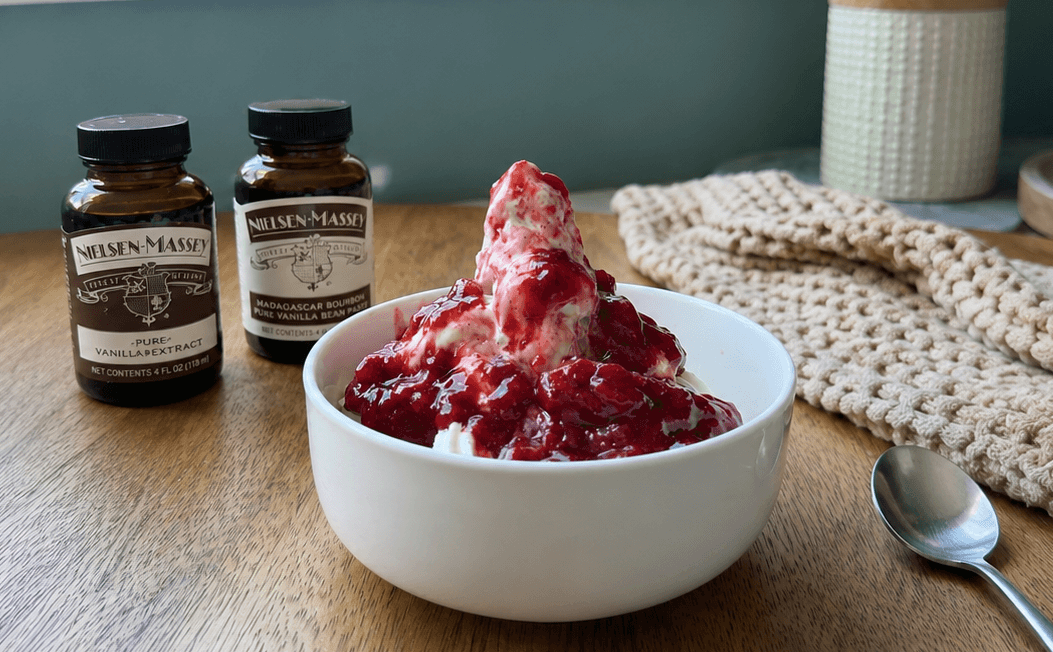
When it comes to homemade ice cream and frozen desserts, vanilla isn’t just another ingredient—it’s often the flavor that ties everything together. If you’ve ever wondered whether to use vanilla bean paste or vanilla extract in your frozen creations, here’s how the two compare, when to use each, and why vanilla bean paste is becoming … Continue reading Vanilla Bean Paste vs. Vanilla Extract: Which Is Best for Ice Cream and Frozen Desserts?
For many bakers and cooks, creating recipes from scratch starts with choosing the best ingredients—especially when those recipes are meant to be shared with friends and loved ones. When it comes to vanilla, two pantry staples often spark questions: vanilla bean paste vs. vanilla extract. While both deliver the unmistakable flavor and aroma of vanilla, … Continue reading Vanilla Bean Paste vs. Vanilla Extract: When to Use Each