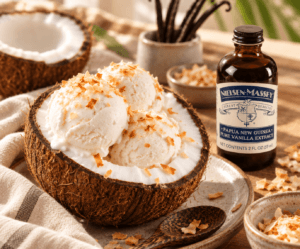
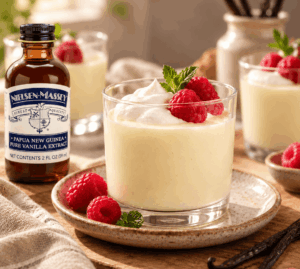
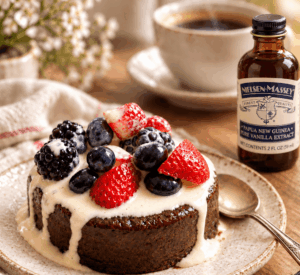
Vanilla may be one ingredient, but it doesn’t always taste the same. When you think of vanilla, you probably picture a familiar flavor profile: sweet, warm and aromatic. But vanilla is surprisingly nuanced. The variety of vanilla bean, where it’s grown, and how its natural characteristics are preserved can all contribute to the flavor in your extract.
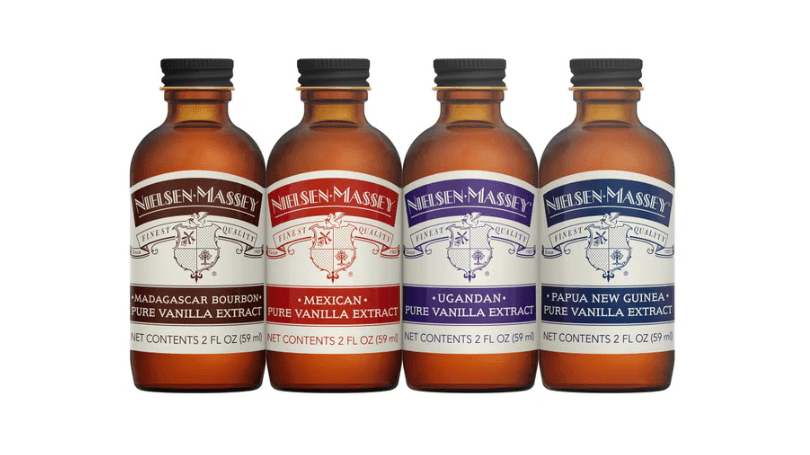
From the classic sweetness of Madagascar Bourbon Vanilla to the warm spice of Mexican Vanilla, the rich cocoa notes of Ugandan Vanilla and the floral, fruity character of Papua New Guinea Vanilla, each origin offers a unique nuance to the recipes you make.
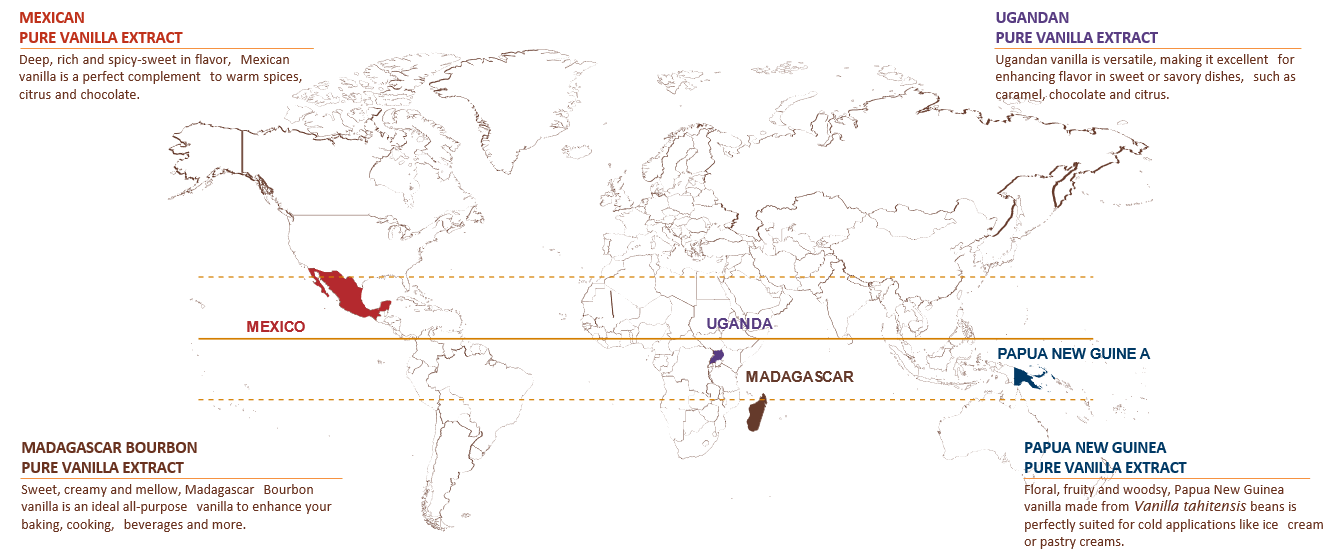
Vanilla has a story that begins long before it reaches your kitchen. From the warm, tropical regions where vanilla orchids are grown to the careful process of harvesting and curing the beans, every origin brings its own character to the finished vanilla. Explore the map to learn more about each origin and find the vanilla that’s right for your next recipe.
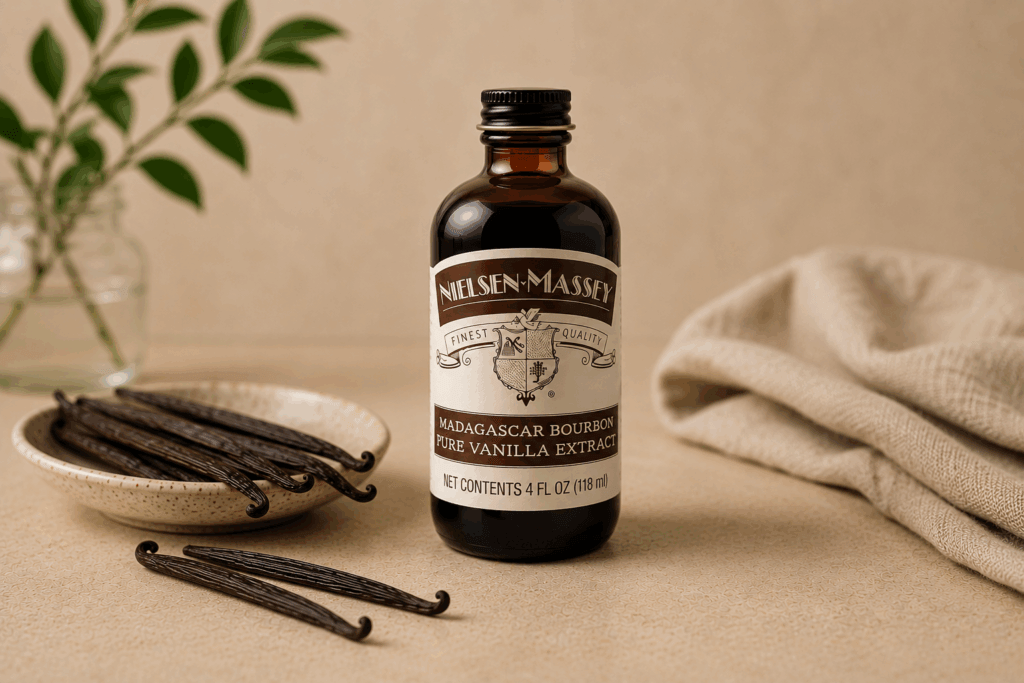
Classic | Delicate | Sweet: Madagascar Bourbon Pure Vanilla offers the classic vanilla flavor you know and love. It has a balanced, naturally sweet character that makes it a versatile cooking companion. You can use it in a wide range of recipes, from creamy desserts to cookies to chocolate and fruit-forward treats.
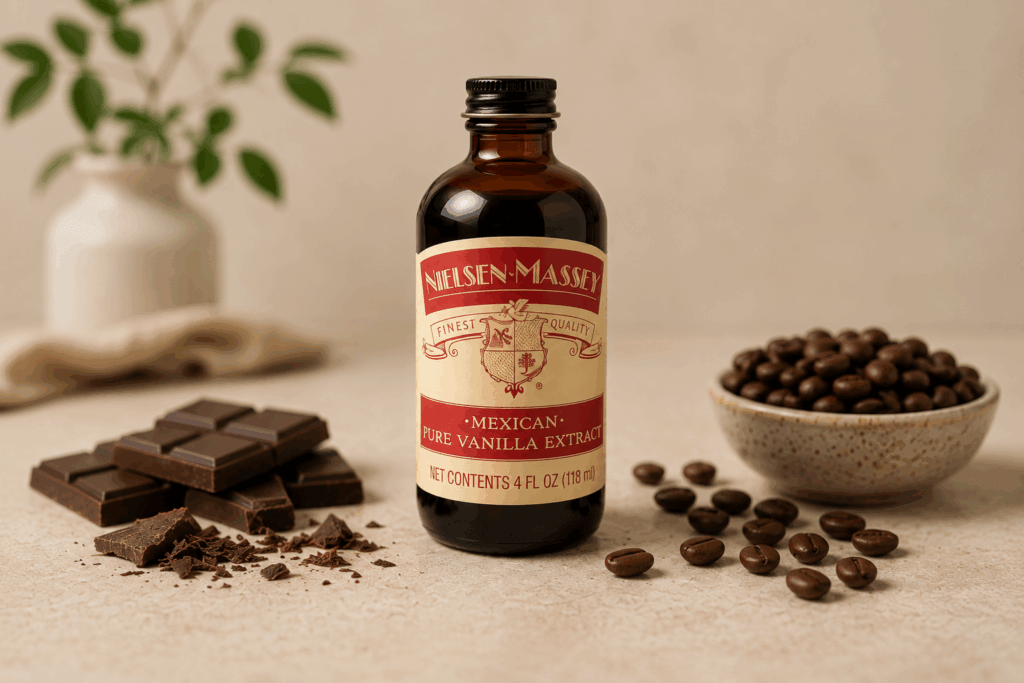
Deep | Spicy | Warm: Vanilla has deep roots in Mexico, and Mexican Vanilla brings a distinctive warmth to the ingredient. With deep, spicy notes reminiscent of nutmeg and clove, it pairs beautifully with other warm and aromatic flavors. Reach for Mexican Vanilla when you want to add depth to a recipe or complement ingredients that already have a little spice of their own.
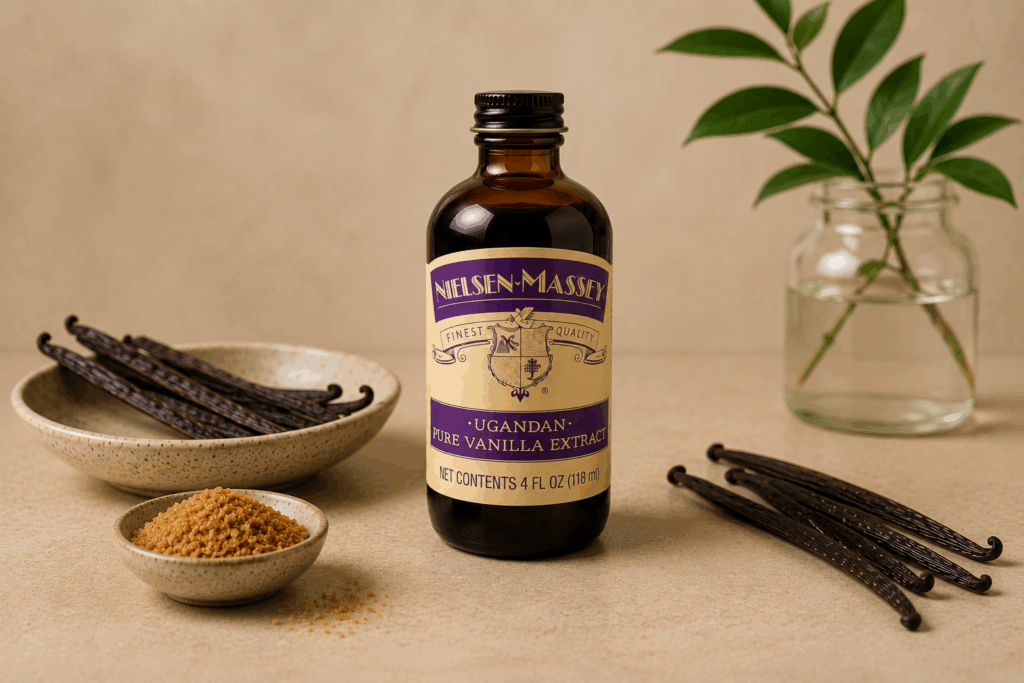
Rich | Dried Fruit | Cocoa: Ugandan Vanilla offers a rich and distinctive flavor profile with notes of dried fruit and cocoa. The depth of flavor it offers makes it a go-to for recipes with bold flavors, and the vanilla can add another layer of complexity.
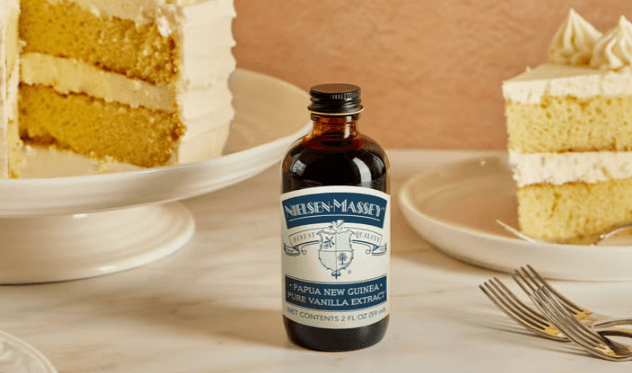
Floral | Fruity | Woodsy: Papua New Guinea Vanilla offers a distinctly different vanilla experience. Nielsen-Massey’s Papua New Guinea Vanilla Extract is made exclusively with Vanilla tahitensis beans, a variety known for its thicker, juicier beans and unique flavor characteristics.
The result is an aromatic vanilla with floral, fruity, and woodsy notes, with a hint of licorice. Nielsen-Massey’s proprietary cold extraction process helps preserve the distinctive character of the beans. Its unique profile is especially delicious with creamy, chilled or frozen, and aromatic recipes—use it to experiment with vanilla beyond traditional desserts.
Want to experience the unique character of each vanilla? Make a simple whipped cream and taste them side-by-side. Whipped cream is an easy way to experience the subtle differences between vanilla origins because there are only a few ingredients and nothing else competing with the vanilla’s flavor.
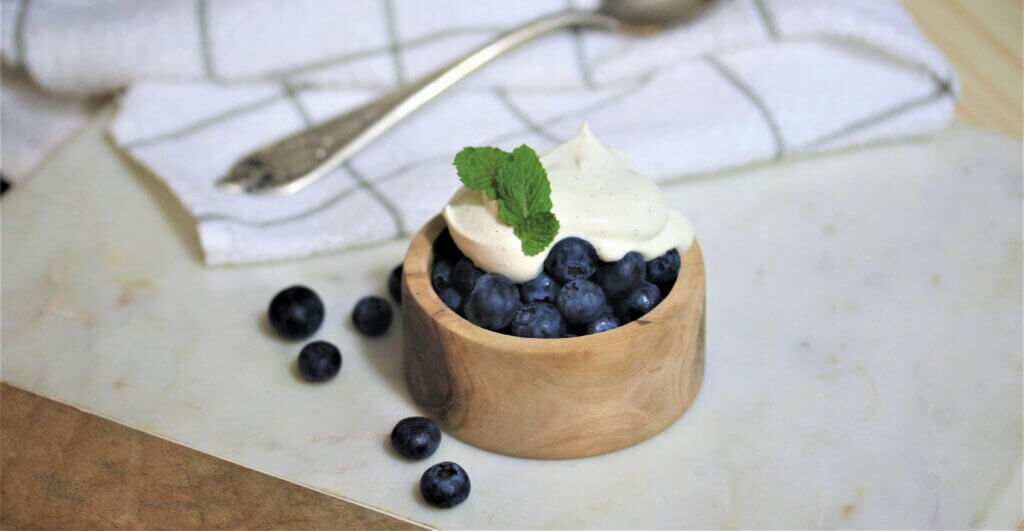
Here’s how:
As you taste, pay attention to the aroma, first impression and finish. Is one sweeter? More floral? Warmer or spicier? Do you notice notes of fruit, cocoa, or wood?
Next, try each with yogurt and fresh berries, chocolate pudding, or even in a cup of coffee to see how the different vanilla profiles interact with other flavors. You may be surprised by just how much the character of a recipe can change simply by switching the vanilla!

Sign up to receive Nielsen-Massey news, recipes, promotions and more.

Vanilla’s journey begins long before it reaches a bottle of extract or a favorite family recipe. Grown from the fruit of a tropical orchid, vanilla is cultivated in regions around the world, each producing beans with distinct flavors, aromas, and culinary strengths. Just as coffee, wine, and cacao reflect their origins, vanilla develops unique characteristics … Continue reading Where Does Vanilla Come From? A Guide to Vanilla Origins, Flavor Profiles and Culinary Uses
Vanilla may be one of the smallest ingredients in a recipe, but it can make a big difference in the finished flavor. It adds warmth and depth to chocolate chip cookies, rounds out the sweetness of a vanilla cake, and brings together the flavors in everything from banana bread to brownies. Here’s how to choose … Continue reading Best Vanilla for Baking: Which Vanilla to Use for Cookies, Cakes, and More
From your morning coffee to your weekday breakfast routine, a splash of vanilla adds warmth, depth, and just a hint of indulgence. If you’ve ever wondered how to use vanilla extract beyond baking, here are easy, everyday ways to make it part of your daily routine. Post Views: 3,036