Vanilla is one of the most versatile ingredients in the kitchen. It adds warmth and depth to everything from cookies and cakes to ice cream, coffee, and even savory dishes. And when you buy quality vanilla, you want to make the most of every drop, spoonful, and bean.
But how should you store vanilla? Does it expire? Can you refrigerate it? And what’s the best way to use different forms of vanilla in your favorite recipes? We’re answering these questions and more to help you understand your vanilla, care for it properly, and get the most flavor from every bottle, jar, and bean.
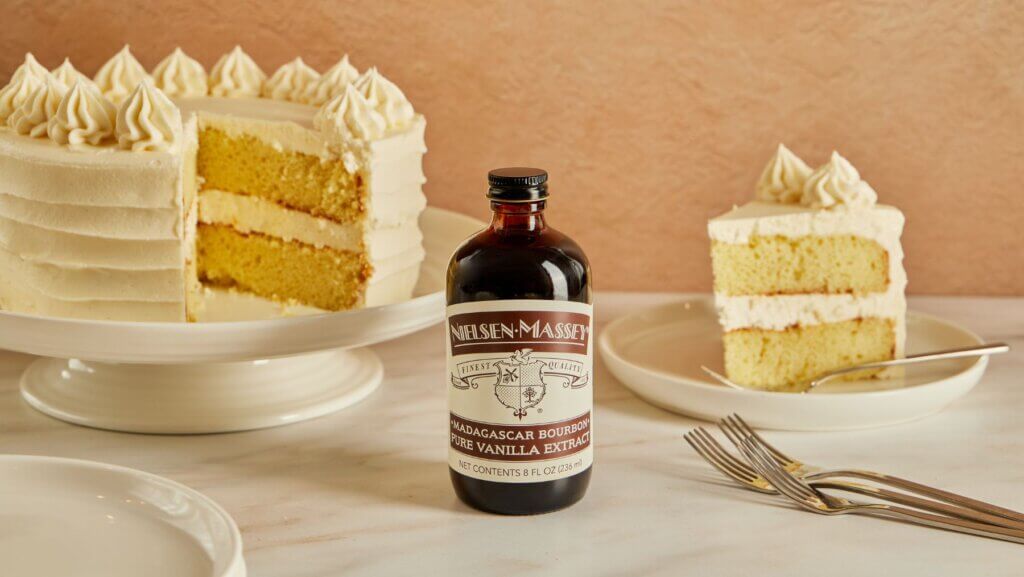
The best way to store vanilla is in a tightly sealed container at room temperature, away from direct sunlight and heat. A pantry or kitchen cabinet is an ideal spot. After each use, securely close the cap or lid to help preserve the product’s quality and aroma. These few simple habits can make a big difference in preserving the life of your vanilla (these guidelines apply to Nielsen-Massey pure vanilla extracts, bean pastes, powders, and whole vanilla beans):
No! Refrigeration isn’t necessary for vanilla extract, vanilla bean paste, or whole vanilla beans. In fact, refrigeration can negatively affect vanilla’s quality. Here’s what happens when vanilla is refrigerated:
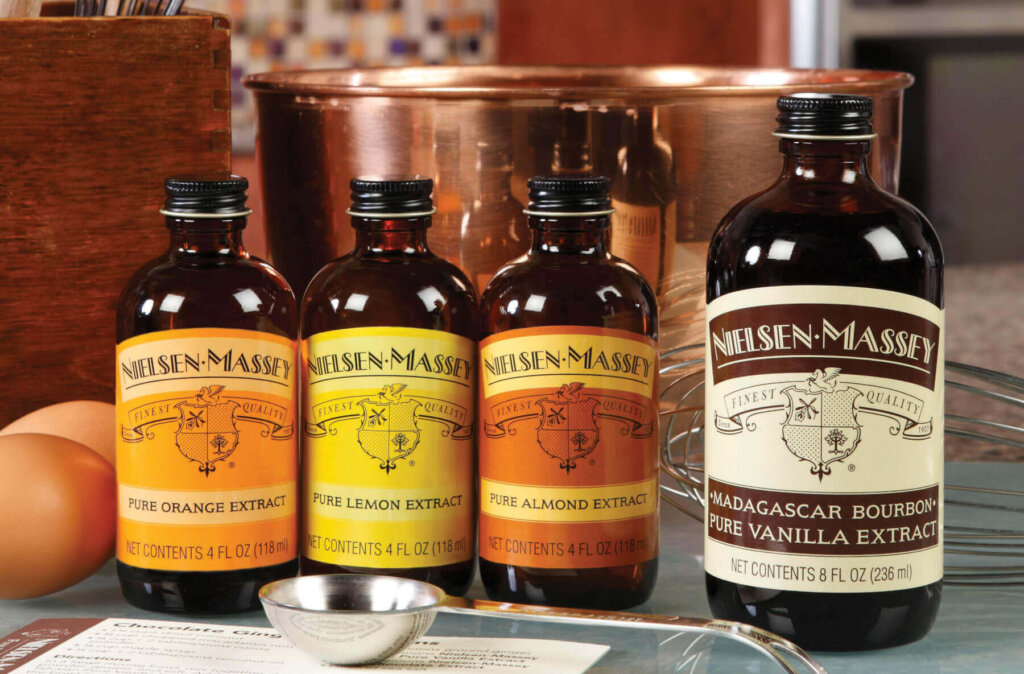
Like most pantry ingredients, vanilla has a recommended shelf life. Here is the recommended shelf life for our vanilla products, but check the “Best Before Date” on your product as a guideline, too:
Pure vanilla extract has a long shelf life because its alcohol base helps preserve the extracted vanilla compounds. If your bottle is past its Best Before Date, that doesn’t automatically mean the vanilla is unusable. However, proper storage and the product’s overall condition matter. If you notice signs of spoilage, such as an unusual odor or visible mold, discard the product.
A Best Before Date is a recommendation for when to use a product to enjoy it at its best quality. It isn’t the same as a guarantee that the product will suddenly become unusable on that date. Pure vanilla extract can retain its quality beyond its recommended shelf life, especially when it’s stored properly. For the best flavor in your recipes, follow the recommended shelf life and pay attention to how your vanilla looks, smells, and performs.
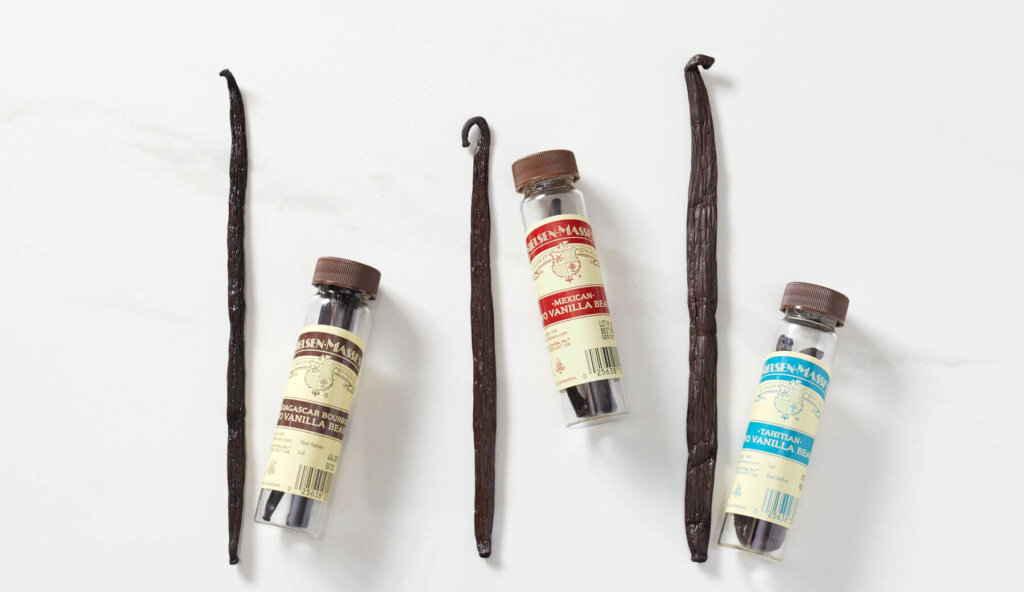
The easiest way to assess vanilla is to look at its appearance, smell its aroma, and consider how it has been stored.
Yes, heat can affect vanilla’s quality during storage and its flavor in a recipe. When storing vanilla, keep it away from the stove, oven, and other heat sources. A cool, dark cabinet is a much better choice than a shelf that gets warm every time you cook.
Different vanilla origins can also perform differently in various applications. Our Indonesian Pure Vanilla Extract, for example, is known for its flavor stability in high-heat and slow-baked applications. If you’re interested in how vanilla’s origin affects its flavor and uses, explore our guide on where vanilla comes from.
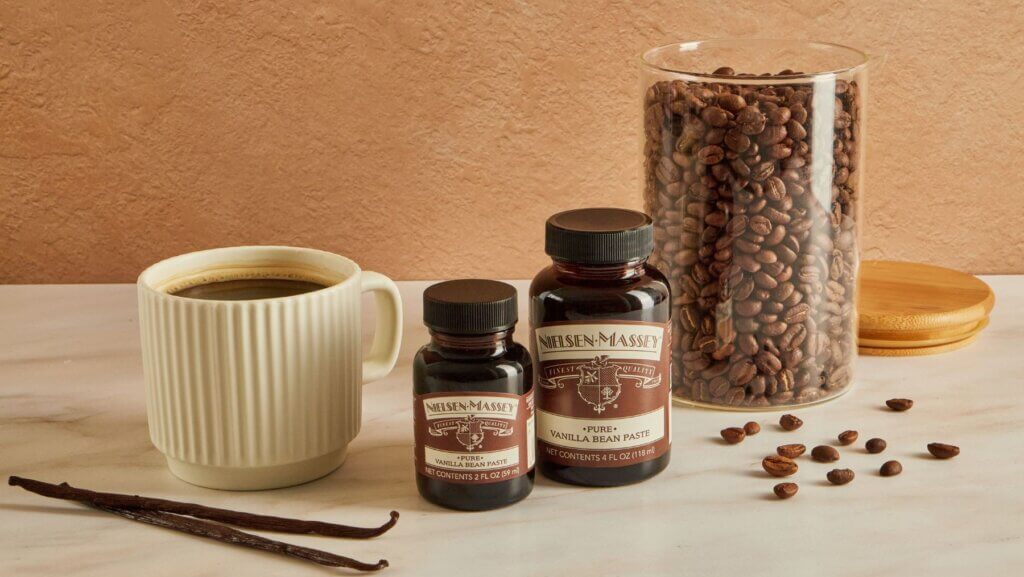
Yes! A whole vanilla bean can often be used more than once. If you’ve infused a vanilla bean in milk, cream, or another liquid, remove it after use, rinse it if appropriate, and allow it to dry thoroughly. You can then place it in sugar to create homemade vanilla sugar or use it to add subtle vanilla flavor to another preparation.
Keep in mind that each use will draw out some of the bean’s flavor. Continue using it only while it retains its characteristic aroma and remains in good condition.
Proper storage is only part of getting the most from your vanilla. Choosing the right form of vanilla for your recipe can also help you make the most of this versatile ingredient.
In many recipes, yes! Use this general rule:
Keep in mind that the best substitution can depend on your recipe and the specific product you’re using. Vanilla bean paste, for example, has a thicker consistency than extract.
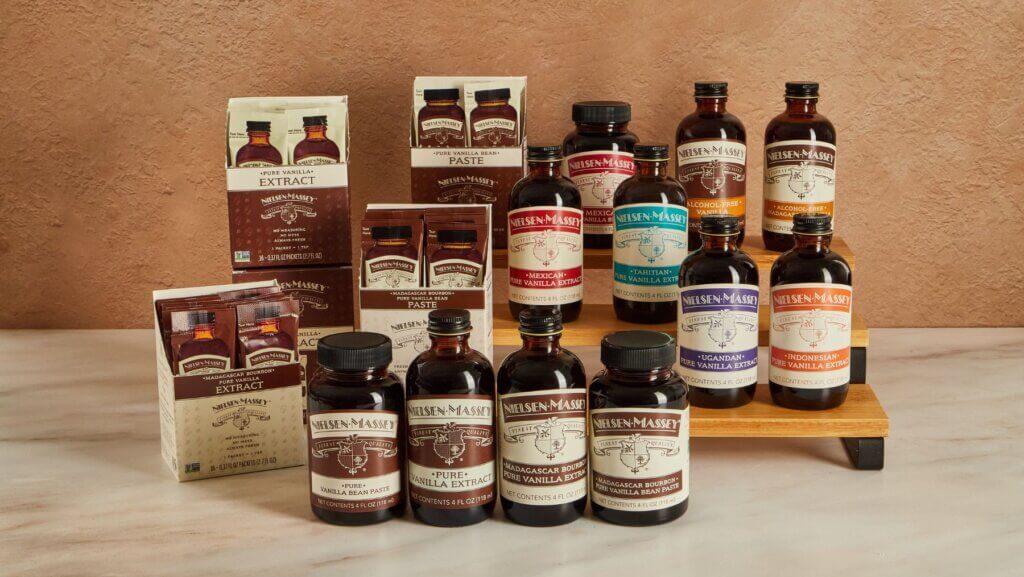
Vanilla doesn’t require a complicated storage routine. Keep it sealed, store it at room temperature, and protect it from heat and direct sunlight. Know the recommended shelf life of each product, and check its appearance and aroma before using an older bottle, jar, or bean.
Most importantly, don’t be afraid to experiment. From classic baked goods to ice cream, beverages, and savory dishes, vanilla has a place in far more recipes than you might expect.

Sign up to receive Nielsen-Massey news, recipes, promotions and more.

Vanilla may be one ingredient, but it doesn’t always taste the same. When you think of vanilla, you probably picture a familiar flavor profile: sweet, warm and aromatic. But vanilla is surprisingly nuanced. The variety of vanilla bean, where it’s grown, and how its natural characteristics are preserved can all contribute to the flavor in … Continue reading Vanilla Around the World: A Tasting Guide
For many bakers and cooks, creating recipes from scratch starts with choosing the best ingredients—especially when those recipes are meant to be shared with friends and loved ones. When it comes to vanilla, two pantry staples often spark questions: vanilla bean paste vs. vanilla extract. While both deliver the unmistakable flavor and aroma of vanilla, … Continue reading Vanilla Bean Paste vs. Vanilla Extract: When to Use Each
Vanilla may be one of the smallest ingredients in a recipe, but it can make a big difference in the finished flavor. It adds warmth and depth to chocolate chip cookies, rounds out the sweetness of a vanilla cake, and brings together the flavors in everything from banana bread to brownies. Here’s how to choose … Continue reading Best Vanilla for Baking: Which Vanilla to Use for Cookies, Cakes, and More